
Keep toxic or concentrated streams from shocking the main system
09 / WASTEWATER
Industrial Wastewater Treatment System
Physicochemical, biological, membrane and advanced oxidation processes are combined for complex industrial wastewater.
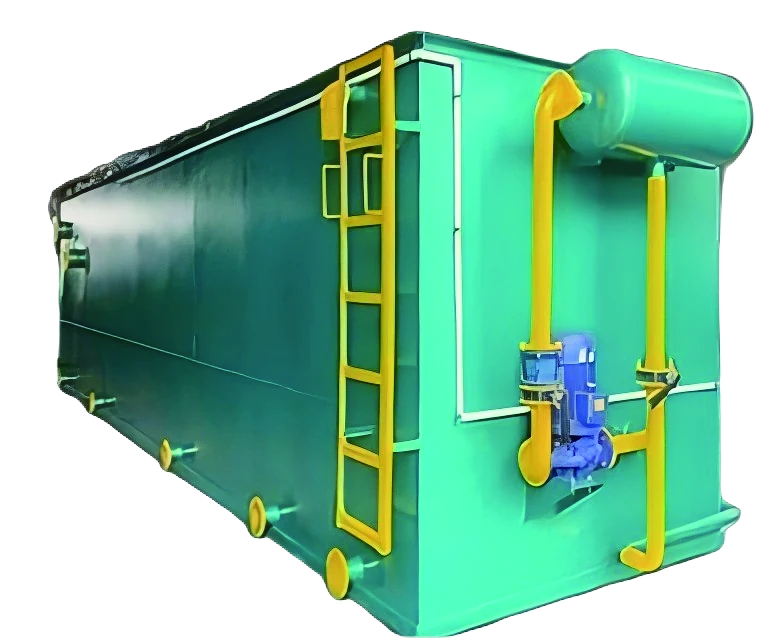
Each stage targets different contaminant groups
Flow and key parameters support diversion and interlocks
PROCESS ROUTE
Typical Process Route
This is a typical configuration logic, not a fixed equipment list. The final design depends on feed analysis, target requirements, capacity and site constraints.
- 01
Source Survey
Identify high-salt, concentrated and toxic streams
- 02
Equalization
Buffer hydraulic and concentration shocks
- 03
Physicochemical
Remove metals, solids or insoluble pollutants
- 04
Biological
Degrade biodegradable organics and remove nutrients as required
- 05
Advanced Treatment
Meet discharge, reuse or reduction targets
APPLICATIONS
Applications
ElectroplatingMetals and complexing agents
ElectronicsAcid/alkali, rinse and mixed wastewater
Food & BeverageHigh organics and variable flow
Chemicals & MaterialsComplex organics and saline wastewater
Industrial ParksSegregated collection and centralized treatment
Existing Plant UpgradesCapacity expansion and discharge polishing
TECHNICAL KNOWLEDGE
Technical Notes & FAQ
Clear principles, prerequisites and operating limits help determine whether a process is suitable before quotation.
Why survey wastewater by source?
pH, metals, complexants, salinity and biodegradability differ by production line. Mixing can increase chemical use, create inhibition or lose recovery opportunities.
Can all high COD be treated biologically?
No. COD does not equal biodegradability; solvents, surfactants, salinity or toxic compounds may inhibit biomass. Treatability testing may be required.
How is a sudden outlet failure diagnosed?
Review influent events, equalization, dosing, sludge condition, dissolved oxygen, recycle and downstream pressure trends stage by stage.
Why calculate sludge during design?
Chemical sludge, waste biomass and membrane concentrates drive dewatering capacity and disposal cost. A water line without a sludge line is not a complete system.
Engineering boundary: Design is based on representative segregated samples, continuous flow data and the applicable discharge or reuse target.
ENGINEERING DELIVERY
Engineering Delivery & Support
We support the full project lifecycle from process planning and manufacturing to commissioning and after-sales service.
Process Design
Define the process route and equipment selection from water quality, capacity, targets and site constraints.
Manufacturing
Modular assembly, quality inspection and factory testing against the approved design.
Installation & Commissioning
Site installation, integrated commissioning, operating optimization and operator training.
After-Sales Support
Ongoing technical support, consumables and troubleshooting, with a 24-hour response to after-sales issues.
START YOUR PROJECT